

Rising Home Insurance Costs Heat Up Household Finances
The information on this website is general in nature and does not take into account your objectives, financial situation, or needs. Consider seeking personal advice from a licensed adviser before acting on any information.
Recent data published by the Actuaries Institute indicates a surge in financial strain among Australian households brought about by climbing home insurance premiums.
Remarkably, a staggering 1.6 million households are now feeling the pressure, marking a 30% increase over the last year, equivalent to an additional 360,000 households.
Sharanjit Paddam, who spearheaded the report at the Actuaries Institute, highlights a troubling trend: home insurance premiums are outpacing wage growth. The median premium for home insurance has soared by 9% in just one year, squeezing household budgets tightly.
One significant driver of these rising premiums, according to Paddam, is the increasingly evident impact of climate change. Extreme weather events, such as devastating bushfires and severe floods, have heightened the risk associated with insuring homes, prompting insurers to hike their prices.
Some households are responding to these changes by searching for cost-saving measures, such as increasing their deductibles or shopping for cheaper coverage options. However, others find themselves forced to forgo home insurance altogether, exposing them to far greater financial risk in case of disaster.
This trend isn't confined to Australia alone. Similar patterns can be observed globally, where rising natural disasters are causing insurance costs to escalate, putting additional financial strain on families already grappling with stagnant income growth and increasing living expenses.
The Actuaries Institute’s findings underline the pressing need for a multifaceted approach to mitigate the impacts of rising insurance costs. This approach could include:
Investing in improved climate resilience strategies to minimize the damage from natural disasters.
Proposing policy reforms to balance the insurance markets and protect consumers.
Encouraging public-private partnerships to develop affordable insurance solutions.
Enhancing consumer awareness regarding available options and making informed decisions.
The issue underscores an essential challenge for policymakers, insurers, and consumers alike. On one end, there's an urgent need to adapt to the financial reality shaped by climate change, and on the other, ensuring that essential services remain accessible without unduly burdening household finances.
Please Note: We do not endorse any specific products or companies. Some content is sourced from third parties, including press releases, and may not be independently verified for accuracy or completeness.
Harland Green, a newly established Lloyd's coverholder, has unveiled an all-risk farm insurance package specifically designed for large commercial farming operations in Australia. This initiative aims to address the complex and evolving needs of the agricultural sector by offering comprehensive coverage that encompasses various aspects of farm operations. - read more
In a significant development for Australia's agricultural sector, CGU and WFI Insurance have announced an exclusive partnership with Ag Guard, a technology-driven agricultural insurance agency. This collaboration, set to commence in June 2026, aims to bolster the agricultural insurance capabilities of both insurers and enhance digital services for brokers, partners, and customers. - read more
As Australia approaches another summer season, Elders Insurance is urging farmers to prepare for potential storm-related damages, following a significant increase in claims during previous summers. Analysis of storm-related farm insurance property claims over the last two years indicates that summer accounts for the highest number of claims nationally. - read more
Australian dairy producers are entering the 2026/27 season with limited margin for error, as escalating input costs continue to erode profitability. According to Rabobank's latest annual Australian Dairy Outlook, rising expenses for fuel, fertiliser, water, labour, and interest rates are placing significant pressure on the sector. - read more
In response to escalating global disruptions affecting fuel and fertiliser supplies, the Australian government has announced a $10 billion budget package aimed at securing these critical inputs for the agricultural sector. Prime Minister Anthony Albanese emphasized the government's commitment to stabilizing supply lines and mitigating the impact of international conflicts on domestic agriculture. - read more
In south-east Queensland, the Three Creeks Farm Stall, a cherished farmers' market operating in Eileen Hose Park near Gympie, is confronting potential eviction due to a disagreement over public liability insurance requirements imposed by the Gympie Regional Council. - read more
Cybersecurity refers to the practice of protecting systems, networks, and programs from digital attacks. In the context of agriculture, it involves safeguarding the digital solutions and technologies that have become intrinsic to modern farming operations. As technological advancements continue to revolutionize the farming landscape, the importance of cybersecurity in securing farm data and operations has become more pronounced. - read more
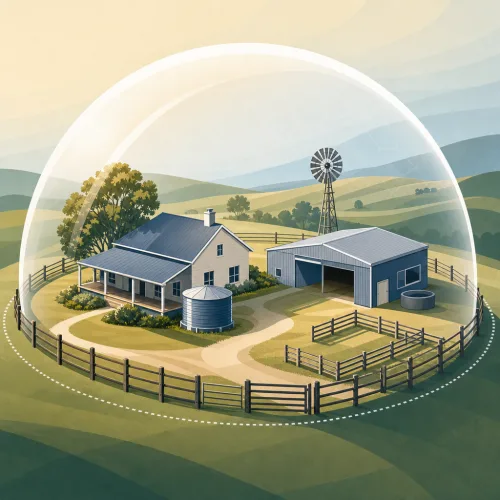
Insurance is a vital part of safeguarding any farming operation. As a farmer, protecting your property, equipment, and livelihood from unexpected events like natural disasters, theft, or accidents is crucial. Adequate insurance coverage ensures that you can recover quickly from setbacks without enduring overwhelming financial strain. - read more
The agricultural sector in Australia carves a significant portion of the country's economy, contributing to its GDP and providing employment across rural and suburban areas. Thus, navigating the complexities of agribusiness is not just a matter of crop cultivation and livestock management, but also of understanding the intricate web of liability risks that come with the terrain. - read more
Livestock farming is a significant part of the Australian agriculture industry. As with any business, farmers face numerous risks such as disease, death, theft or extreme weather events, which could cause damage or loss to their livestock assets. Livestock insurance provides cover against these risks, ensuring that farmers are financially protected from any potential financial losses, which could devastate their livelihoods. - read more
The threat of bushfires looms large over the vast expanses of rural Australia, shaping the reality of farming in this sunbaked landscape. The risk, always present, escalates as the climate warms and dry conditions persist. It's not a matter of if, but when the land will be tested by fire's wrath. In this environment, the armor of insurance isn't just recommended; it's critical for survival. - read more
Farm equipment insurance is crucial for rural Australians who rely on their machinery for agricultural productivity. This insurance provides a safety net, helping to mitigate the financial risks associated with equipment loss or damage. - read more
Need a Quote?
Start your free farm insurance quote comparison here.
Knowledgebase
Term Life Insurance: A form of life insurance that is a pure protection policy with no cash or maturity value which lasts for a specific length of time, called a term.
No comments yet. Be the first to share your thoughts.